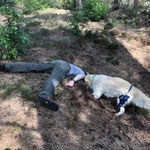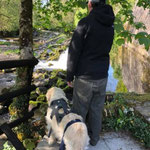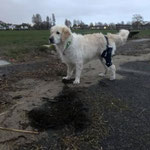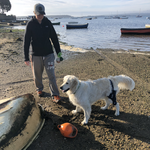
CCL (Cranial Cruciate Ligament) Tear / Rupture

A Cranial Cruciate Ligament (CCL) tear in dogs is a common, painful knee injury—equivalent to a human ACL tear—causing hindlimb lameness, stiffness, and joint swelling. Often triggered by sudden, awkward movements (jumping/twisting) or degenerative weakening, it causes knee instability, usually requiring surgery like TPLO or TTA to restore stability, though conservative management is sometimes used for smaller dogs.
Key Symptoms and Diagnosis
- Sudden or Chronic Limping: The most common sign, which may worsen after exercise.
- Difficulty Rising/Jumping: Trouble getting up, sitting "wonky" with the leg out to the side, or refusing to jump.
- Joint Swelling & Stiffness: A thick "medial buttress" may develop on the inside of the knee.
- Muscle Atrophy: Wasting away of thigh muscles due to decreased use.
- Diagnosis: Veterinarians often diagnose this via a "cranial drawer sign" or "tibial thrust" test, confirmed by x-rays to check for joint effusion.
Risk Factors
- Obesity: Excessive weight puts significant stress on the knee.
- Breed Predisposition: Large breeds like Rottweilers, Labrador Retrievers, Boxers, and German Shepherds are at higher risk.
- "Weekend Warriors": High-intensity activities in otherwise sedentary dogs.
- Treatment Options
- Surgical (Optimal): Procedures to stabilize the knee include TPLO (Tibial Plateau Leveling Osteotomy), TTA (Tibial Tuberosity Advancement), and Tightrope techniques.
- Conservative Management: Non-surgical options include pain medication, strict rest, weight loss, and physical therapy (rehabilitation) to build muscle support.
- Prognosis: Without surgery, degenerative joint disease (arthritis) often progresses.
Management and Recovery
- Recovery typically involves strict activity restriction (leash walks only) for 8–12 weeks. Physical therapy is often recommended to ensure full recovery and prevent the other knee from tearing, which occurs in 40–60% of cases.
Managing the wait for TPLO surgery:
Balto Knee Brace
https://baltouk.co.uk/collections/balto-braces/products/balto-jump?variant=47304675557719
A Balto knee brace (specifically the BT Jump or Ligatek) supports a dog's knee joint by providing stability, reducing inflammation, and protecting against cruciate ligament (CCL/ACL) injuries and patella luxation. It acts as a non-surgical alternative or post-surgery aid to manage pain, improve mobility, and prevent further injury.
Key Functions of a Balto Knee Brace:
- Support & Stabilisation: The braces feature lateral aluminium splints in pockets that restrict unnatural movement while allowing the joint to function, which is critical for supporting CCL tears and patellar luxation.
- Post-Surgery Recovery: Designed to support the leg after surgeries like TPLO, TTA, or lateral sutures, helping to protect the joint during healing.
- Alternative to Surgery: Ideal for dogs that are not good candidates for surgery due to age or other health conditions, providing support that allows for improved mobility.
- Pain & Inflammation Management: The breathable, compressive fabric increases blood flow in the joint, which aids in reducing pain and swelling from arthritis or chronic injury.
- Preventative Support: Used to support the contralateral (healthy) leg, as dogs with one CCL tear often injure the other leg due to compensating for the weakness.
- Customisable Mobility: Specific models like the Balto Ligatek allow for adjusting the range of motion or fully locking the joint, allowing vets to customise rehabilitation.
Key Features:
- Secure Fit: An abdominal strap is used to ensure the brace stays in place and does not slip down during activity.
- Removable Splints: The splints can be removed to turn the brace into a compressive support for conditions like arthritis.
- Side Specific: The brace is available for left or right, and sometimes both, depending on the injury.