Canine Hydrotherapy:

Canine hydrotherapy is a therapeutic exercise performed in warm water (typically 28–32°C) to rehabilitate dogs recovering from injury, surgery, or managing chronic conditions like arthritis. It utilizes the unique physical properties of water—buoyancy, resistance, and hydrostatic pressure—to allow for low-impact movement that strengthens muscles without straining painful joints.
Key Benefits
- Pain Relief & Reduced Swelling: Warm water relaxes muscles and increases circulation, while hydrostatic pressure helps reduce inflammation and fluid buildup in joints.
- Muscle Strengthening: Water provides significantly more resistance than air, forcing muscles to work harder during movement, which helps reverse muscle atrophy (wasting).
- Improved Mobility: Buoyancy supports up to 90% of a dog's body weight, allowing for a greater range of motion that would be too painful on land.
- Weight Management: Vigorous water exercise burns calories more efficiently than land walking—15 minutes of swimming can be equivalent to a 1-hour walk—without risking joint damage in obese dogs.
Primary Types of Hydrotherapy
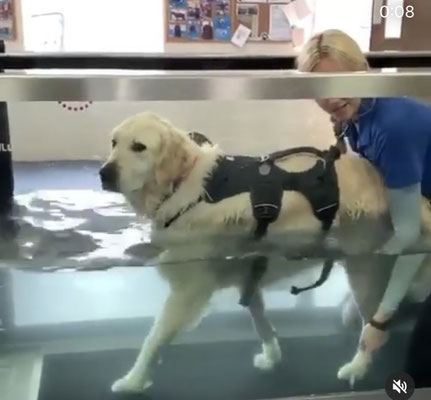
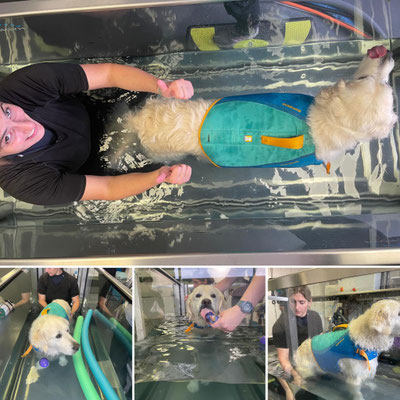
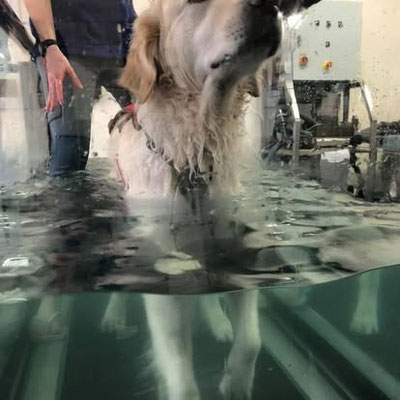
- Underwater Treadmill: A treadmill enclosed in a water chamber. It offers precise control over water depth and speed, making it ideal for gait re-education and early-stage post-surgical recovery.
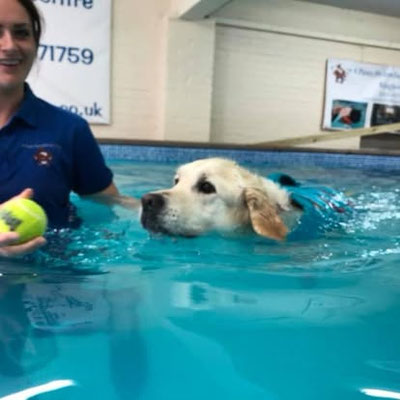
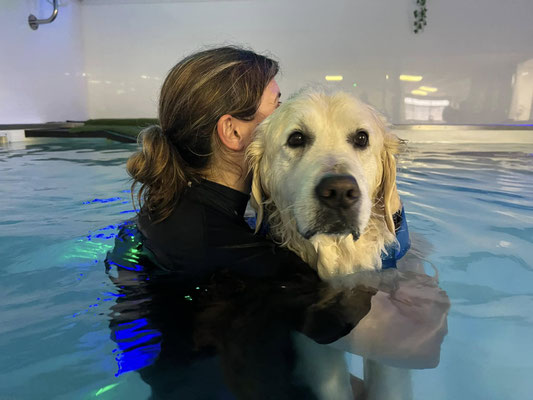
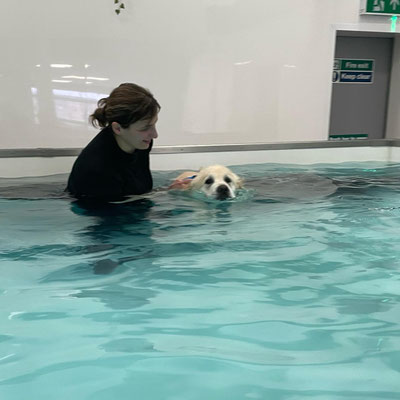
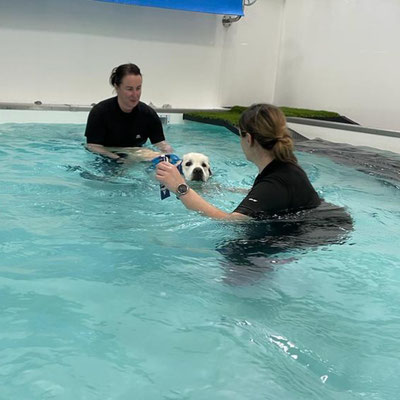
- Hydrotherapy Pool: Allows for free-swimming or "doggy paddling." It is excellent for increasing cardiovascular fitness, core strength, and improving range of motion in the front limbs.
- Whirlpool/Spa Baths: Uses warm water and jets to massage specific muscle groups, stimulate blood flow, and promote relaxation.
Common Conditions Treated
Hydrotherapy is frequently prescribed for:
- Orthopaedic Issues: Hip and elbow dysplasia, cruciate ligament (ACL) injuries, and luxating patella.
- Degenerative Diseases: Osteoarthritis and Spondylosis.
- Neurological Conditions: Intervertebral disc disease (IVDD), Degenerative Myelopathy (DM), and paralysis recovery.
- Post-Surgical Rehab: Recovery from fractures, hip replacements, or spinal surgeries.
- What to Expect During a Session
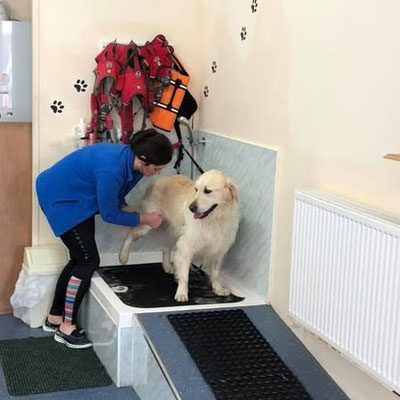
- Preparation: A health check and gait assessment are performed. The dog is showered and fitted with a harness or buoyancy aid.
- The Session: Typically lasts 30–45 minutes, with roughly 15–30 minutes actually spent in the water, depending on the dog's fitness.
- Aftercare: The dog is showered again to remove chemicals (like bromine or chlorine), then thoroughly dried to prevent post-session stiffness.
Important Safety Note: In many regions, including the UK, a veterinary referral is a legal requirement before a dog can undergo hydrotherapy for medical reasons. It is not recommended for dogs with open wounds, active infections, or severe heart/respiratory disease.
Ripley's Hydrotherapy Experience:
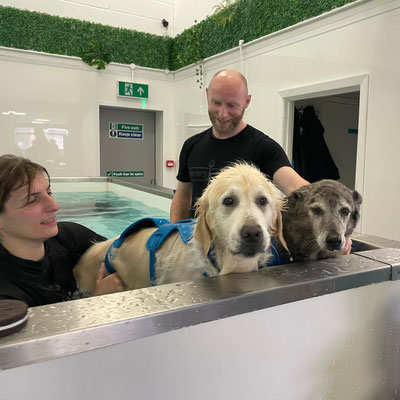
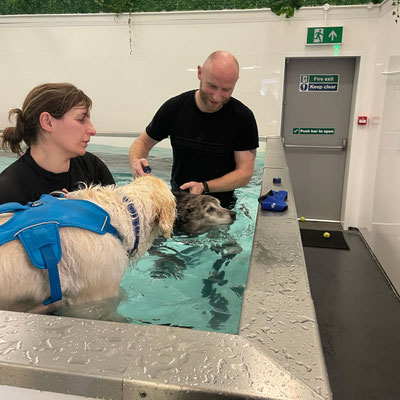
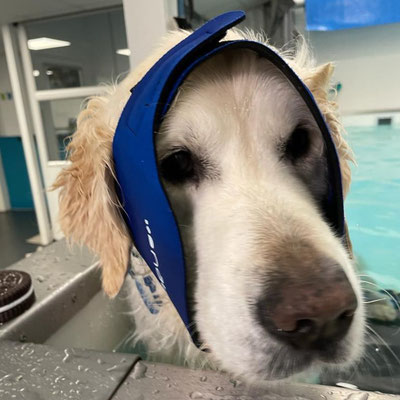
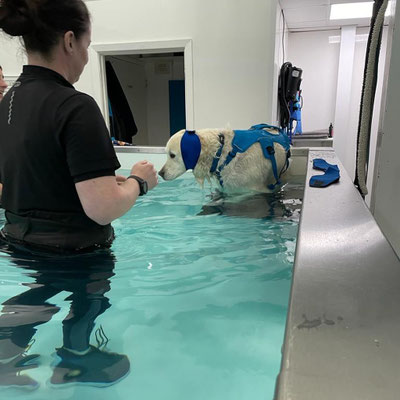
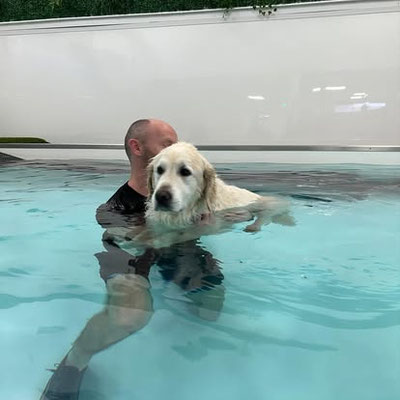
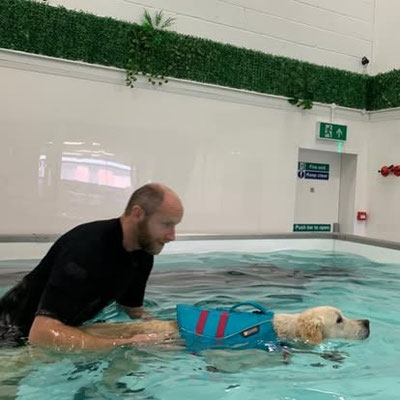
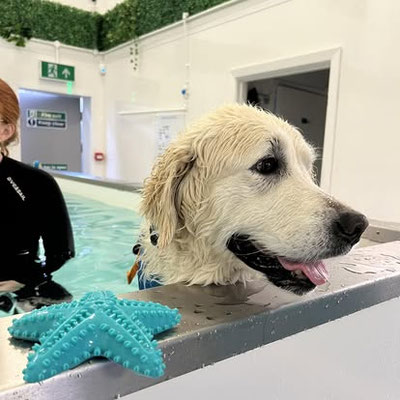
Ripley attends hydrotherapy as part of his rehabilitation from each of his TPLO surgeries. He moved onto attending hydrotherapy (weekly) for his osteoarthritis.
Under Water Treadmill:
Treated at: Pawseidon. Poole, Dorset


Hydrotherapy Pool:
Treated at: Pawseidon. Poole, Dorset





2018
4Paws