Blue Light Therapy for Dogs

Blue light therapy for dogs is primarily used as an antimicrobial and surface-level treatment for skin, dental, and certain behavioural conditions. Unlike Red Light Therapy, which penetrates deeply into muscles and joints, blue light (wavelengths 400–470nm) works on the uppermost layers of the skin (the epidermis).
Key Therapeutic Applications
- Skin Infections & Wound Care: Blue light is intrinsically antimicrobial and effective against bacteria and fungi, including multi-drug-resistant strains. It is often used for hot spots, pyoderma, and infected surgical wounds to decontaminate the area without damaging healthy tissue.
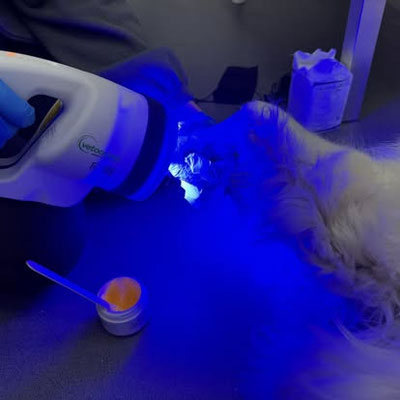
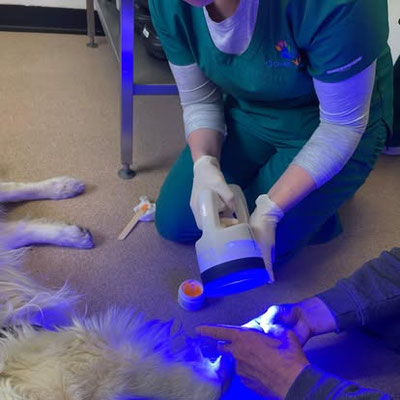
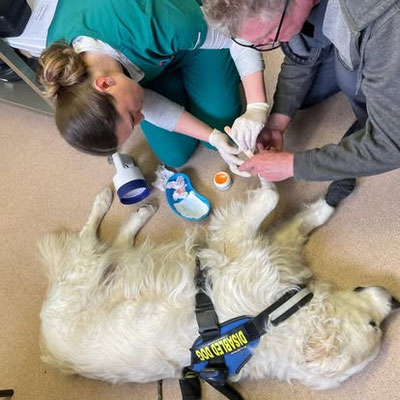
- Veterinary Dermatology (Phovia): A common clinical treatment involves a two-part system (like Phovia) where a blue LED lamp activates a specialized chromophore gel applied to the dog's skin. This produces fluorescent light energy that can accelerate skin regeneration by up to 50%.
- Dental Health: It is used in veterinary dental care to kill black-pigmented bacteria that cause gingivitis and periodontal disease.
- Behaviour & Circadian Rhythm: Blue light can help regulate a dog's sleep-wake cycle and manage canine dementia symptoms when used in the morning. Some pet owners also use soft blue ambient lighting to create a calming environment for anxious dogs
Important Safety Considerations
- Eye Protection: Blue light is extremely bright; both the dog and the handler should avoid looking directly into the beam. Some clinical treatments require protective goggles.
- Veterinary Oversight: In the UK, medical light therapy should be performed under veterinary guidance to ensure correct dosing and to rule out underlying conditions like cancer, which light therapy could theoretically stimulate.
- Home Devices: Handheld units (e.g., LumaSoothe or KTS) often combine blue, red, and infrared lights in one device for comprehensive home care.
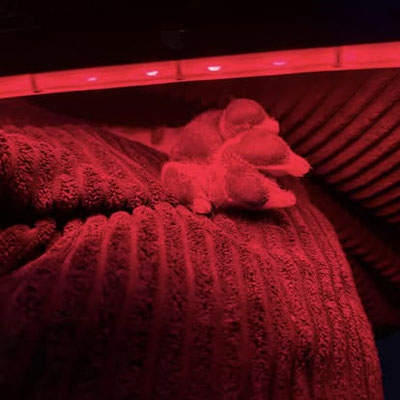
Ripley's Blue Light Therapy Experience: