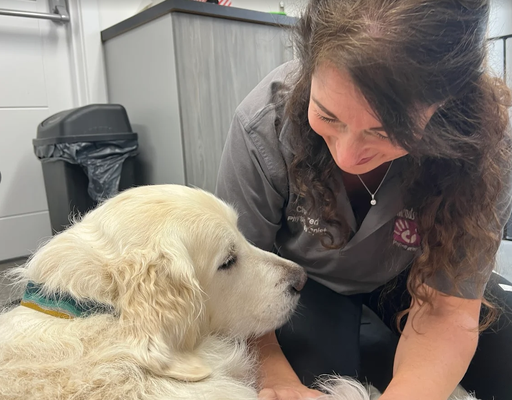
Canine Physiotherapy

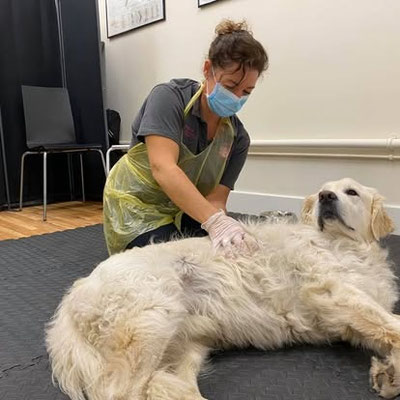
Canine physiotherapy is a science-based complementary therapy used to restore movement and function in dogs following injury, surgery, or as part of long-term management for chronic conditions. Unlike hydrotherapy, which is water-based and typically non-weight-bearing, physiotherapy primarily involves land-based, weight-bearing exercises and manual "hands-on" techniques to improve muscle mass, strength, and coordination.
Core Treatment Techniques
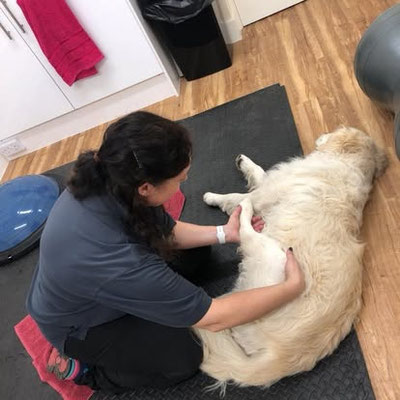
- Manual Therapy: Includes massage, joint mobilisation, and stretching to reduce muscle tension, improve circulation, and increase range of motion.
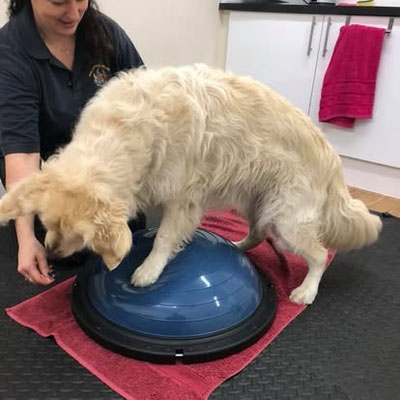
- Remedial Exercise: Custom plans involving balance boards, poles, or wobble cushions to target specific muscle groups and improve proprioception (the dog's awareness of its body position).
- Electrotherapy: Advanced modalities such as Laser therapy for wound healing and pain relief, TENS for nerve-related pain, and Pulsed Electromagnetic Energy (PEME) to accelerate bone and tissue repair.
Conditions Benefitting from Physiotherapy
- Post-Surgery Recovery: Essential after procedures like TPLO (cruciate ligament repair), hip replacements, or spinal surgeries.
- Chronic Management: Managing pain and mobility in senior dogs with osteoarthritis or hip/elbow dysplasia.
- Neurological Issues: Supporting dogs with Intervertebral Disc Disease (IVDD), Degenerative Myelopathy (DM), or paralysis.
- Performance & Prevention: Enhancing the fitness of working or sporting dogs and identifying early signs of compensatory movement to prevent future injury
Access and Regulations (UK 2026)
- Veterinary Referral: By law (Veterinary Surgeons Act 1966), a physiotherapist must obtain permission from a vet before treating an animal for a medical condition.
- Maintenance Care: Healthy animals requiring maintenance or performance-related care (without a clinical condition) may not require a formal vet referral, though the animal must be registered with a vet.
- Choosing a Professional: While "Veterinary Physiotherapist" is not a protected title in the UK, it is highly recommended to choose a practitioner registered with ACPAT (Association of Chartered Physiotherapists in Animal Therapy) or RAMP (Register of Animal Musculoskeletal Practitioners) to ensure they have high-level training and insurance.
Ripley's Physiotherapy Experience:
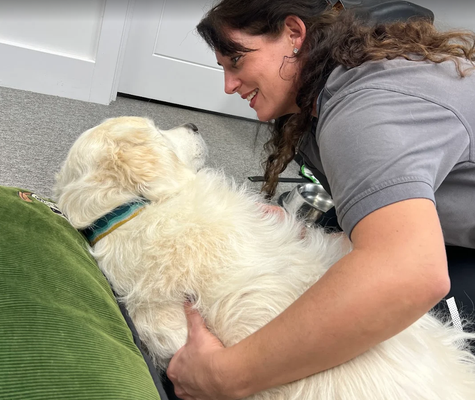
Ripley attended physiotherapy sessions fortnightly after his TPLO surgeries & then after in order to assist with his mobility (osteoarthritis)
With: Rachael Dickinson
Where: Hands On Physiotherapy, Wimborne Dorset