Canine Chiropractic:

Canine chiropractic, also known as veterinary spinal manipulation therapy (VSMT), is a manual therapy that focuses on the relationship between the spine, the nervous system, and the musculoskeletal system. It involves gentle, high-velocity, low-amplitude "adjustments" to realign vertebrae and restore normal joint mobility.
Core Benefits
- Pain Management: Reduces pressure on spinal nerves and decreases muscle soreness caused by joint misalignment.
- Improved Mobility: Restores range of motion in joints, helping dogs that struggle with stairs, jumping into cars, or getting up from a resting position.
- Nervous System Optimization: Realigning the spine improves communication between the brain and the body, which can enhance coordination and balance.
- Non-Invasive Alternative: Offers a drug-free approach to managing chronic conditions like arthritis, potentially reducing the need for long-term medication.
Common Conditions Treated
Chiropractic care is frequently used to address:
- Spinal Issues: Acute neck and back pain, intervertebral disc disease (IVDD), and spondylosis.
- Chronic Diseases: Management of osteoarthritis and symptoms of hip/elbow dysplasia.
- Performance & Sports: Maintaining fitness and gait symmetry in agility or working dogs.
- Neurological Signs: Issues like "knuckling over" (proprioceptive deficits) or generalised weakness in the hind legs.
- Specific Behaviours: Lick granulomas (often caused by referred nerve pain), sudden aggression, or reluctance to be touched.
- AKC Veterinary Ltd
Legal & Professional Standards (UK 2026)
- Veterinary Referral: Under the Veterinary Surgeons Act 1966, a chiropractor must obtain permission from your vet before treating a dog for a medical condition. For healthy dogs requiring "maintenance" or sports performance care, a formal referral may not always be required, though the practitioner must still be qualified.
- Protected Titles: The title "Chiropractor" is legally protected and refers to those treating humans. However, terms like "Animal Chiropractor" are not protected.
- Qualified Practitioners: Ensure your therapist has completed a recognised postgraduate diploma (e.g., from the IAVC, McTimoney, or Options for Animals). Many are registered with the McTimoney Animal Association (MAA).
What to Expect During a Session
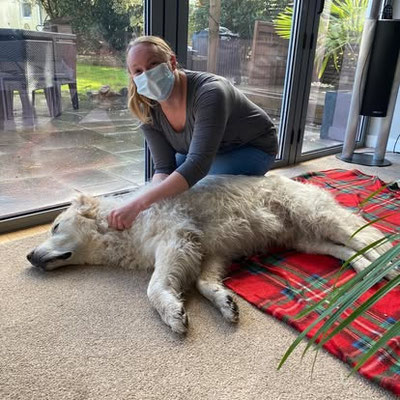
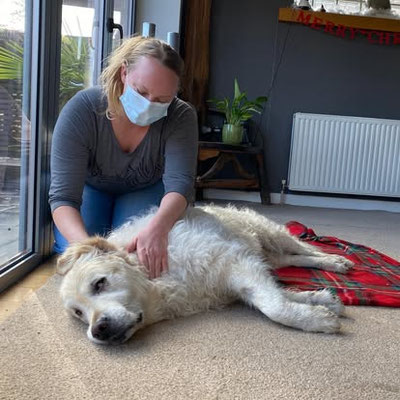
A typical first appointment (lasting 45–60 minutes) includes a detailed health history, a static assessment of posture, and a dynamic gait analysis. The treatment itself involves quick, precise thrusts that are generally painless; dogs often appear very relaxed or sleepy following a session due to the neurological release.
Ripley's Chiropractic Experience:
Treated by: Amy @ AT Chiropractic