Pet bereavement
The formal state of being deprived of a loved one through profound loss.

Ideas on how to manage bereavement of a pet:
Physical & Routine Adjustments
- The "silence" in the house is often the hardest part.
- Acknowledge the Routine Gap: You’ll likely still wake up at "feeding time" or look for them when you walk through the door. Don't fight these reflexes; acknowledge them as a testament to your bond.
- Rearrange Slowly: Don’t feel pressured to hide all their toys or beds immediately. Do it only when you feel ready to reclaim that space.
Externalise the Memory
- Sometimes the "internal" grief feels too cluttered. Moving it to the "external" world can provide relief.
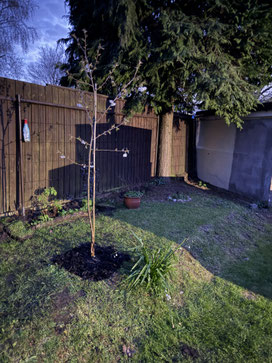
- Create a Memorial: Plant a tree, frame a favorite photo, or keep their collar in a shadow box.
- Write a Tribute: Writing a letter to your pet or an "obituary" celebrating their quirks can help process the finality of their passing
Support Systems
- You don't have to carry the weight alone, especially if people in your immediate circle "don't get it."
- Pet Loss Support Groups: There are many online forums and hotlines specifically for pet bereavement where you won't hear the phrase "It was just a dog/cat."
- The "Rainbow Bridge" Community: Engaging with others who have shared this specific experience can be very validating.
- Be Patient with Yourself
- Grief isn't linear. You might feel "fine" one day and be a wreck the next because you found a stray piece of fur on a sweater. This is normal. There is no "correct" timeline for how long it takes to stop missing a companion who gave you unconditional love.
A Note on New Pets: Some people find comfort in adopting again quickly, while others feel like it’s a "betrayal." Neither is true. A new pet isn't a replacement; it’s a new chapter. Only move forward when you feel you have the emotional space to bond with a new personality.
Planting for rememberance:
Dogwood Tree
Usage in Remembrance:
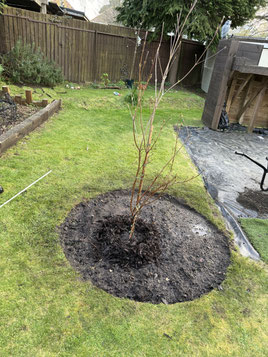
In the UK, planting a dogwood tree can provide a lasting, blooming memorial in a garden, serving as a reminder of the joy the dog brought and the belief in their continued existence.
The dogwood tree holds strong spiritual meanings of resurrection, rebirth, and eternal love following a dog's death, symbolizing that the spirit has moved to a beautiful new life. Its legend, linking to the crucifixion and subsequent flowering, signifies hope, transformation, and that the pain of loss is temporary, while the love remains eternal.
Key spiritual meanings of the dogwood regarding pet loss:
- Resurrection and Rebirth: The dogwood is a first sign of spring, representing the rebirth of the pet's spirit and a new beginning, making it a powerful symbol of hope after the darkness of loss.
- Eternal Love and Promise: Legend holds that the dogwood, once used for the cross, was blessed with flowers showing a cross, bloodstains (red-tinged petals), and a crown of thorns in the center, representing the endurance of love despite death.
- Resilience and Protection: The tree represents the "toughness" of the soul, offering comfort that your companion is safe, protected, and at peace.
- A Sign of the Afterlife: In many traditions, flowering trees like the dogwood are seen as guardians that show that the spirit of the pet is still close and visiting from the afterlife.