Dermatological

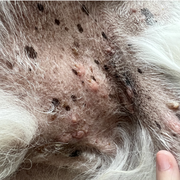
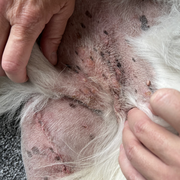
Common skin disorders in dogs include allergic reactions (to food, fleas, or environment), bacterial infections (pyoderma), yeast infections, parasitic infestations (mange, mites), and hormonal issues. Symptoms frequently include intense itching, red/inflamed skin, hair loss, scabs, and a foul odor. Treatment involves veterinary care, potentially using antiparasitics, antibiotics, antifungals, or specialised shampoos.
Common Types of Dog Skin Disorders
- Allergies: The most common cause, including food allergies, environmental allergies (atopy), and flea allergies, resulting in intense itching and paw chewing.
- Skin Infections (Bacterial/Yeast): Staph infections (pyoderma) cause pimple-like lesions, while yeast infections produce a musty smell and oily, dark, or itchy skin, often in folds.
- Parasitic Infestations: Fleas, ticks, and mites (sarcoptic or demodectic mange) cause intense itching, sores, and hair loss.
- Dry/Flaky Skin (Seborrhea): Can be caused by dry weather, poor diet, or underlying hormonal conditions.
- Hot Spots (Moist Dermatitis): Rapidly appearing, infected, and inflamed patches of skin.
- Ringworm: A fungal infection resulting in circular, scaly hair loss, which can be transmitted to humans.
- Hormonal/Autoimmune Disorders: Conditions such as hypothyroidism or Cushing's disease can cause chronic infections, hair loss, and thinning skin.
Signs of Skin Problems in Dogs
- Intense Scratching and Licking: Excessive itching, chewing, or biting.
- Redness and Inflammation: Rashes, bumps, or tender, hot skin.
- Hair Loss and Scabs: Patches of hairless, scaly, or crusty skin.
- Odour: A greasy coat and a sour, pungent, or musty smell.
Management and Treatment
Veterinary consultation is essential for identifying the root cause. Common treatments include:
- Medication: Oral antibiotics for bacterial infections, antifungal medication for yeast or ringworm.
- Topical Treatments: Medicated, soothing shampoos, creams, or sprays.
- Parasite Control: Regular flea and mite prevention.
- Dietary Changes: Specialised food to treat food allergies.
If your dog is experiencing sudden, severe skin symptoms, contact a veterinarian immediately.
Ripley's Experience:

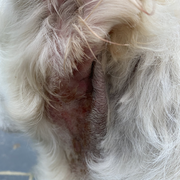
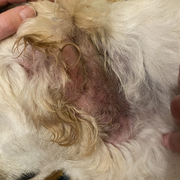
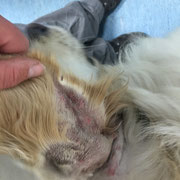
Post TPLO operation skin reactions:
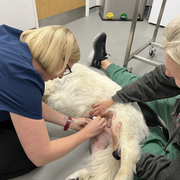
Treated by: Bobby Moseley BVSc MRCVS GPCert
@ Hillside Veterinary Centre, Dorset
Treatment: Hibiscrub cleaning (daily) + Isaderm Gel