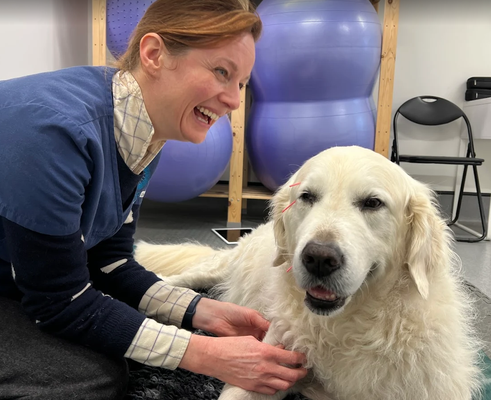
Acupuncture for dogs:

In the UK, canine acupuncture is legally considered an act of veterinary surgery and must be performed by a qualified veterinary surgeon. It is most commonly used as a complementary therapy alongside conventional medicine to manage pain and inflammation.
How it Works
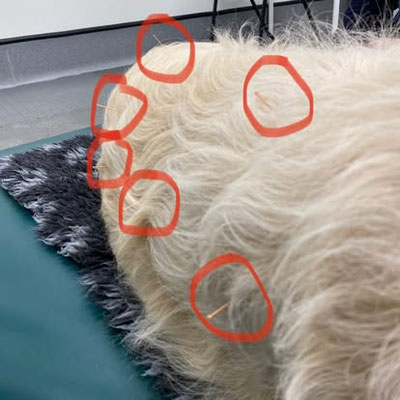
- Neuromodulation: Inserting fine, sterile needles into specific "acupoints" stimulates the nervous system.
- Natural Pain Relief: This stimulation triggers the release of endorphins (the body's natural painkillers) and serotonin, which can also reduce anxiety.
- Physical Response: It improves local blood circulation, relaxes muscle spasms, and helps "reset" the body's natural healing mechanisms.
Conditions Commonly Treated
- Musculoskeletal Issues: Particularly effective for osteoarthritis, hip dysplasia, and general back or muscle pain.
- Neurological Disorders: Used to support recovery from Intervertebral Disc Disease (IVDD), nerve injuries, and certain types of paralysis.
- Chronic Ailments: May benefit dogs with chronic digestive disturbances (like IBD), respiratory issues, or "lick granulomas"
What to Expect
- Referral: You typically need a referral from your primary vet to ensure the acupuncturist has your dog's full medical history.
- Sessions: An initial course usually involves 4–6 weekly sessions to assess how your dog responds.
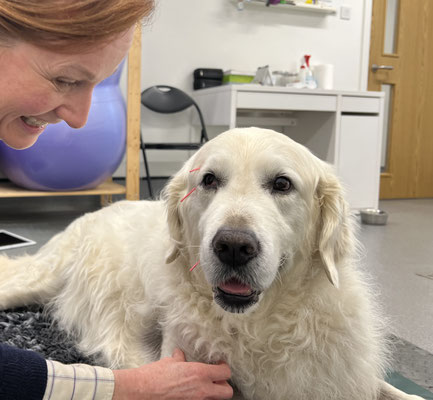
- The Experience: Most dogs tolerate the needles well and often become very relaxed or even fall asleep during the 20–45 minute session.
Finding a Professional
To ensure your dog is treated by a vet with specific training, you can use the Find a Vet tool provided by the Association of British Veterinary Acupuncture (ABVA)
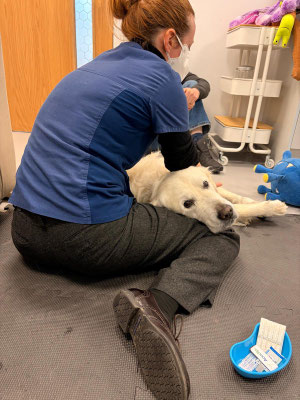
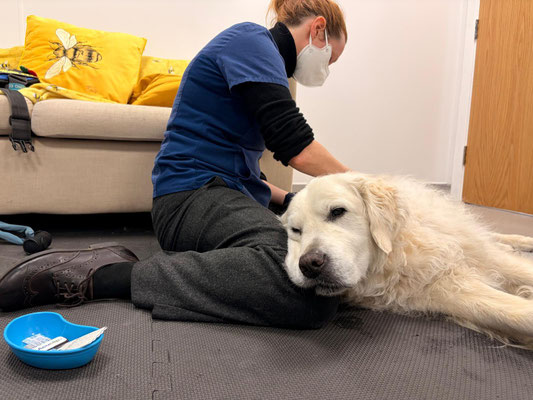
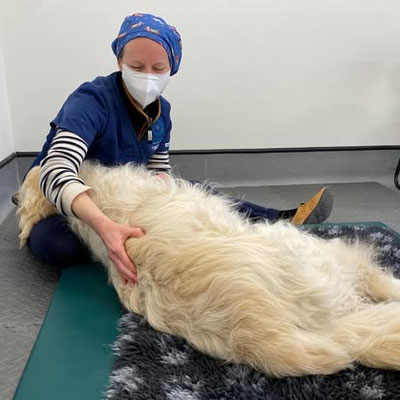
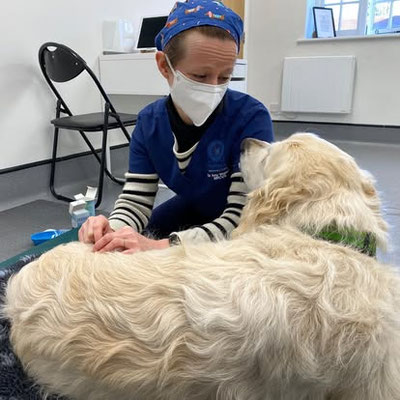
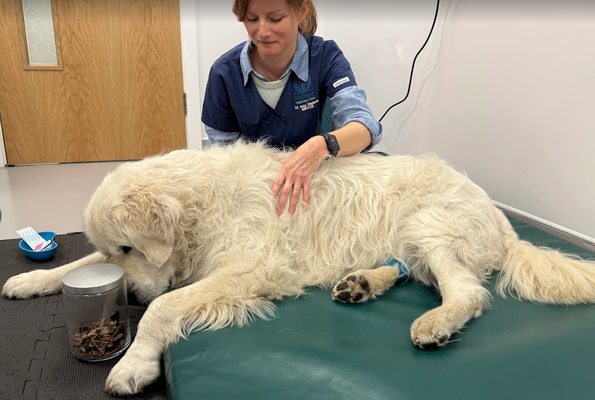
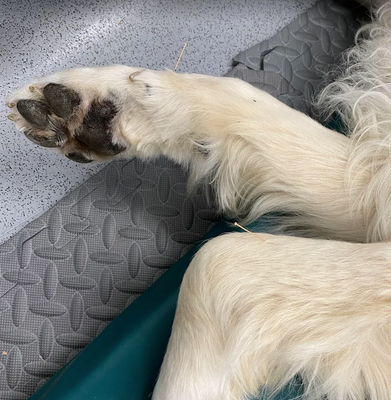
Ripley's Acupuncture Experience:
Acupuncture for arthritis, pain relief, muscle tension:
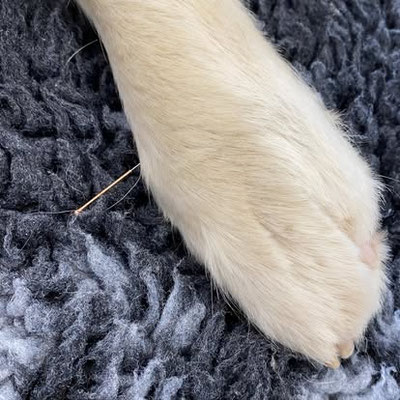


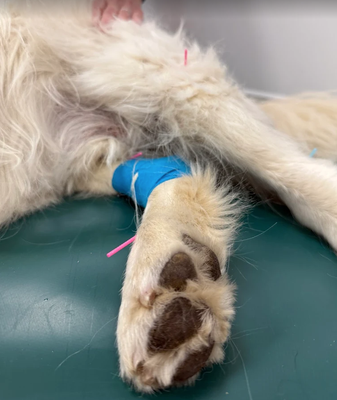

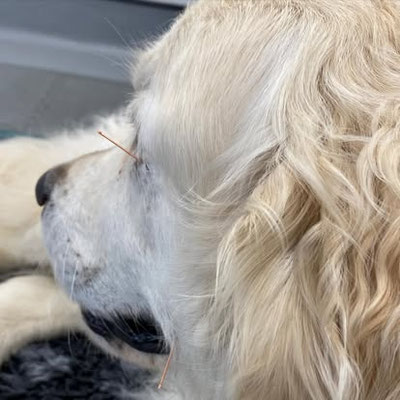
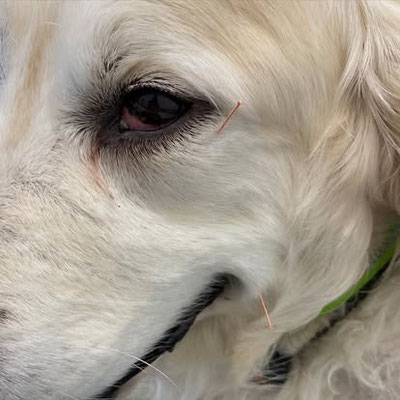
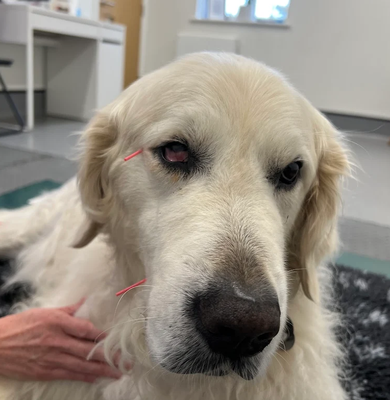
Acupuncture for Horners Syndrome: