
Therapy for your dog at home

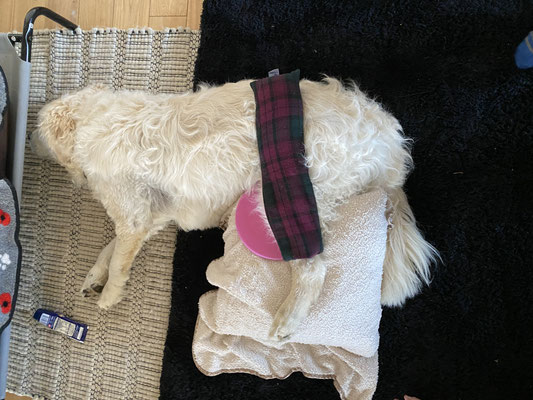
Heat & Ice Therapy
Heat packs for dogs provide therapeutic warmth that increases blood circulation, relaxes stiff muscles, and alleviates chronic pain, particularly from arthritis. Best used 3–4 days after an injury, they reduce muscle spasms, speed up healing, and offer comfort, especially for senior dogs, in cold weather.
Key Benefits of Heat Therapy for Dogs:
- Arthritis and Joint Pain Relief: Heat is highly effective for chronic arthritis, improving joint flexibility and reducing stiffness in older dogs.
- Muscle Relaxation: Heat therapy eases muscle spasms, soreness, and tension, which is helpful for dogs recovering from injuries.
- Improved Circulation: Heat stimulates vasodilation (widening of blood vessels), increasing blood flow to specific areas, which brings essential nutrients and oxygen to promote healing.
- Comfort and Anxiety Relief: Gentle, consistent warmth acts as a comfort tool for anxious dogs, especially during cold weather, thunderstorms, or fireworks.
- Post-Surgical Healing: Warm compresses can aid in recovery, though they should typically be used only after the initial 72-hour acute inflammatory phase, or as advised by a veterinarian.
Using an ice pack on a dog provides crucial benefits by reducing pain, inflammation, and swelling after injuries, surgeries, or from chronic conditions like arthritis. Cold therapy (cryotherapy) constricts blood vessels, which decreases fluid accumulation (edema) and minimises tissue damage within the first 48–72 hours.
Key Benefits of Ice Packs for Dogs:
- Reduced Pain: Cold numbs affected areas, reducing nerve conduction velocity and providing pain relief.
- Decreased Swelling & Inflammation: Constricts blood vessels, limiting the inflammatory response and reducing fluid build-up.
- Reduced Muscle Spasms: Helps relax muscles after intense exercise or strain.
- Faster Recovery: Effective after orthopeadic surgeries, such as cruciate repairs, to manage discomfort.
- Chronic Pain Relief: Aids in managing flare-ups for arthritis

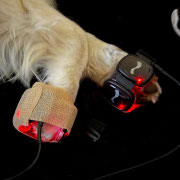
Red Light Therapy (RLT)
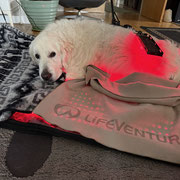
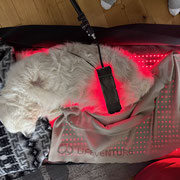
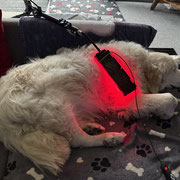
Red light therapy (RLT) for dogs is a non-invasive, drug-free treatment using LED light to reduce inflammation, alleviate chronic pain (such as arthritis), and accelerate healing for wounds or injuries.
Key Benefits and Uses:
- Pain Relief & Mobility: Effectively reduces pain from arthritis, hip dysplasia, and joint issues, improving mobility.
- Healing & Recovery: Accelerates recovery from injuries, wounds, and post-surgical procedures.
- Skin Conditions: Effective for treating skin issues and reducing inflammation from irritations.
- Safety: It is non-invasive, painless, and often recommended by vets.
Always consult with a veterinarian to create a tailored treatment plan for your dog's specific condition.
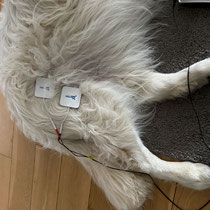
NeuroMuscular Electrical Stimulation (NMES)
EMS (Electrical Muscle Stimulation) and related electrotherapies for dogs are safe, low-risk rehabilitation techniques that use low-level electrical currents to stimulate muscles and nerves. Used to treat muscle atrophy, reduce pain from injury or surgery, and improve joint stability, these therapies are highly effective for injured or senior dogs needing to rebuild strength.
Common Applications:
- Rehabilitation: Post-surgical recovery or injuries (e.g., spinal cord injuries, muscle damage).
- Atrophy Management: Rebuilding strength in paralyzed limbs or immobilized muscles.
- Pain Management: Managing orthopedic and neurological pain.
- Mobility Support: Supporting joints and delaying the progression of arthritis.
Expert Care: Always consult a veterinarian or specialised canine physiotherapist to determine the appropriate treatment plan for your dog.

Rehab Exercises
Step:

BOSU ball:
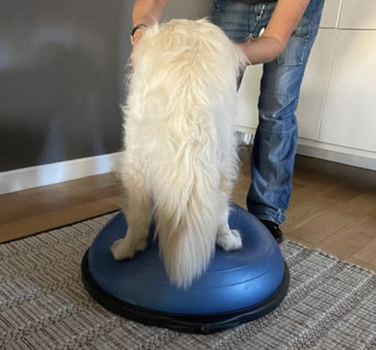
A BOSU ball (or balance trainer) is used with a dog to improve core strength, balance, coordination, and proprioception (body awareness) through specialised exercises. It acts as an unstable surface for conditioning, rehabilitating joints, and engaging muscles, typically using techniques like front-foot targeting, sitting, and weight shifting.
Ripley's physio & osteopath gave us techniques to use.
You can find some useful tips from the 'Canine Conditioning Coach' at this link
Usage Examples for Dogs:
- Balance & Core Training: Dogs stand with all four paws on the dome to engage their core muscles for improved stability.
- Front-Foot Targeting: Placing only the front paws on the dome while keeping back legs on the ground, often used for shoulder stability and strengthening.
- Sit-to-Stand: Asking the dog to sit on the dome and then stand, enhancing rear-end strength.
- Weight Shifting: Assisting the dog in shifting weight from side to side or forward and backward while on the ball to strengthen specific legs.
- Inverted Training: Using the flat, rigid side up (upside down) as a wobble board to increase difficulty for better balance.
Benefits and Synonyms:
- Key Benefits: Increased joint strength, enhanced muscle tone, improved proprioception, and injury prevention.
- Similar Equipment (Synonyms for purpose): Canine balance disc, wobble board, inflatable wobble cushion, rocker board, or foam pads.