Hemorrhagic Gastroenteritis (HGE) & pancreatitis

Hemorrhagic Gastroenteritis (HGE), now often called Acute Hemorrhagic Diarrhea Syndrome (AHDS), is a life-threatening but treatable condition in dogs, characterized by the sudden onset of severe, bloody diarrhea (often resembling raspberry jam), vomiting, and rapid dehydration. It mostly affects small, young, or middle-aged dogs. Immediate veterinary care with IV fluids is critical for survival.
Key Aspects of HGE in Dogs:
- Symptoms: Rapid onset of bloody diarrhea, vomiting, lethargy, loss of appetite, and abdominal pain.
- Causes: The exact cause is unknown, but it is believed to be linked to toxins, immune-mediated responses, or bacterial infection (e.g.Clostridium perfringens).
- Diagnosis: Based on clinical signs, high packed cell volume (PCV/hemoconcentration), and ruling out other diseases.
- Treatment: Aggressive intravenous (IV) fluids to correct dehydration and shock, often with antibiotics and sometimes dietary management.
- Recovery: Most dogs recover within 2–4 days if treated promptly
If your dog displays signs of HGE, you should contact a veterinarian immediately, as the condition can be fatal without prompt, aggressive treatment.
Pancreatitis in dogs is the inflammation of the pancreas, caused by digestive enzymes activating prematurely and digesting the organ itself.
Key Details About Pancreatitis
- Types: Acute (sudden, severe) or Chronic (long-term, recurring).
- Causes: Frequently associated with consuming fatty table scraps or, in some cases, no obvious reason.
Symptoms:
- Pain: Often displayed by a "praying position"—stretching with front legs down and hind end up.
- Gastrointestinal: Vomiting, diarrhea, reduced appetite.
- Behavioral: Lethargy, weakness, and unwillingness to move.
Diagnosis & Treatment:
- Vets use blood tests (spec cPL), ultrasound, or X-rays to diagnose. Treatment involves pain management, fluids, anti-sickness medication, and a low-fat diet.
Risk Factors
- Breed Predisposition: More common in Miniature Schnauzers, Cocker Spaniels, and Terriers.
- Dietary Mismanagement: High-fat diets and stealing food.
- Health Conditions: Obesity and diabetes.
It is important to contact a veterinarian if you suspect your dog has pancreatitis, as it can be fatal if left untreated.
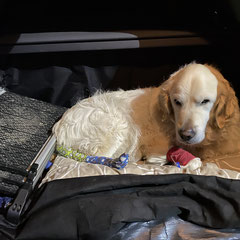
Ripley's Experience:
Hemorrhagic Gastroenteritis (HGE) & pancreatitis
24th-27th 12.2019
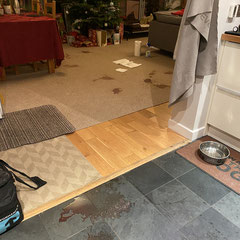
Christmas eve morning.. what a situation to wake up to.. at the time, Ripley's sleeping place was in the lounge so until we came in early in the morning we had no idea there was an issue (since this episode Ripley has slept in our bedroom with us..)
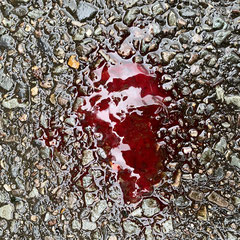
Needless to say the lounge was like a horror movie blood bath.. he wanted to go into the garden so we let him out whilst calling the emergency vets at the same time. Blood was gushing out of both ends.
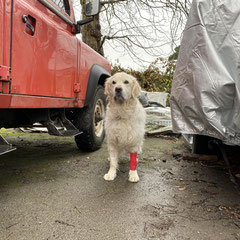
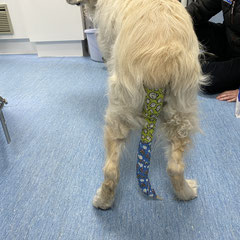
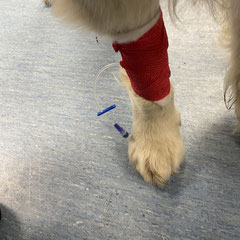
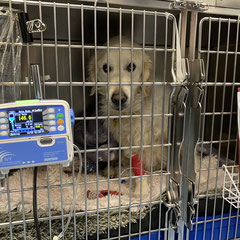
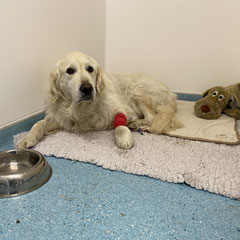
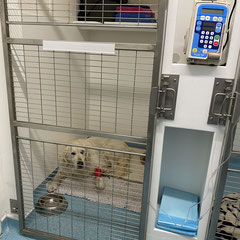
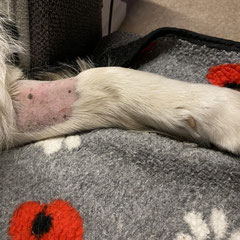
When we got to the emergency vets he was rushed straight in, put on IV fluids, etc etc, once he was in safe hands the vet came out to ask us what we had been feeding him, she was convinced that he must have eaten a large amount of high fat food (i.e. butter or similar) HE HAD NOT eaten anything like this. He cannot access it nor had he been with anyone else for a number of days.. so i will draw your attend to the GA issues he has had as soon as we brought him home as a puppy with Giardia.. thus sadly he has had too many occasions of gastro upsets.. but this one by far was the most terrifying for everyone particularly when they suggested we come in to say 'goodbye' on christmas day as he wasn't eating and the blood was still pouring out of his back end.,.